A post by
Thomas Birus
Dipl.-Ing. Food Technology
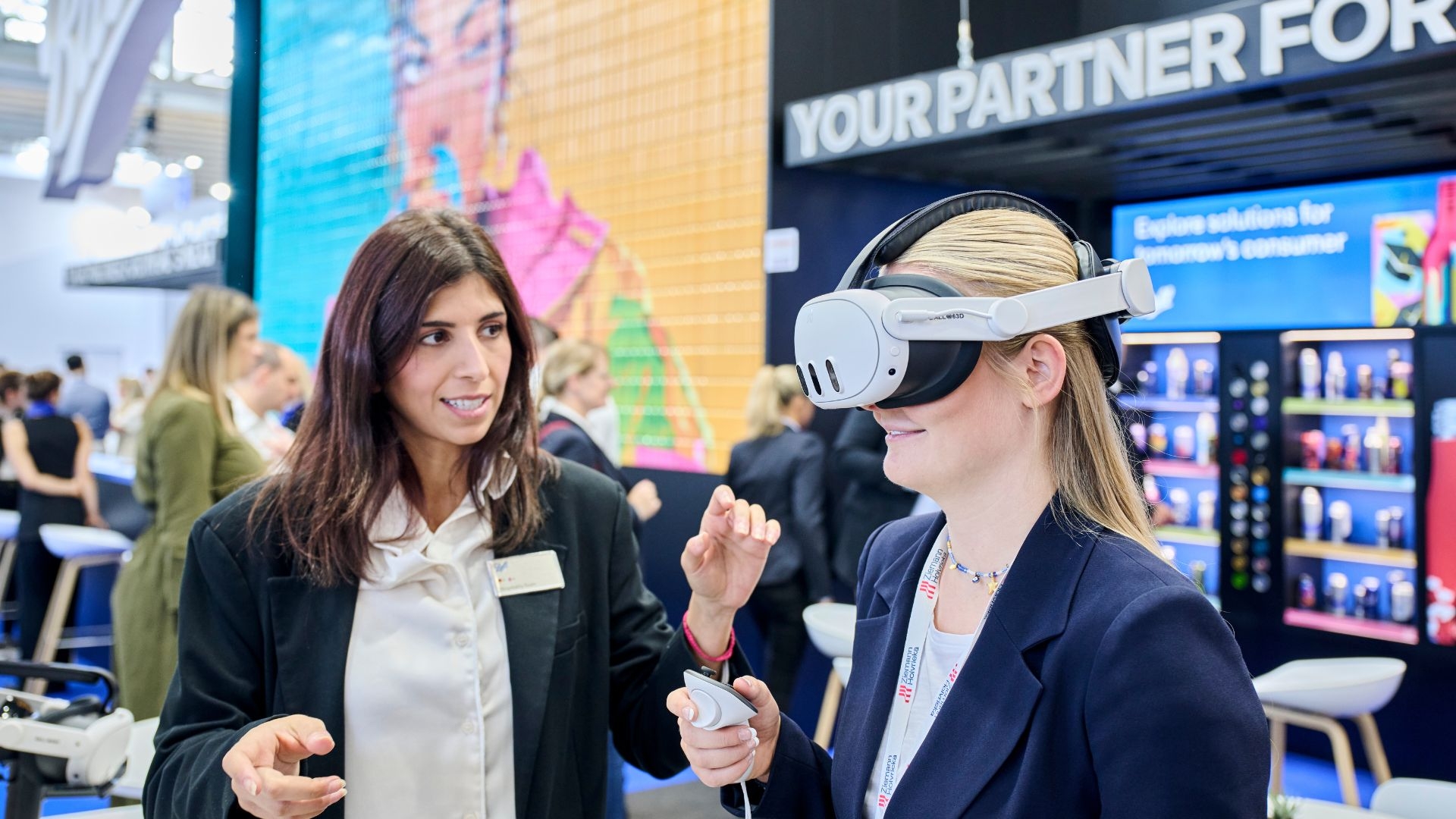
drinktec 2025 focused on three key themes: circularity & resource management, data2value, and lifestyle & health. The exhibitors' stands and the presentations in the Liquidrome gave an indication of where the beverage and liquid food industry is heading in the future.
Released on 17/12/2025
A post by
Thomas Birus
Dipl.-Ing. Food Technology
Artificial intelligence can be defined in many ways. In the broadest sense, AI refers to computer-based systems that analyse their (virtual or real) environment and extract relevant information from it. This information is used to make decisions that increase their chances of achieving defined goals.
One possible classification is as follows:
Strong AI: Cognitive systems that can perform difficult tasks at a human level. This means that humans are the yardstick by which the quality of AI functionality is measured!
Weak AI: It can master specific application problems. Human thinking and technical applications are supported in individual areas. This primarily refers to algorithms and learning systems in a limited area.
Some characteristics are prerequisites for an AI system. These include the ability to learn, which must be present and cannot be added later. Furthermore, the ability to deal with uncertainties and probabilities (as well as probabilistic information). Moral aspects are therefore included in decision-making. This raises legal and social problems for many applications. These arise from the unauthorised use of data, distortion of data (fake news) or even criminal acts.
It can therefore be said that many applications that are generally referred to as AI fall into the category of weak AI. Algorithms use data to calculate probabilities for decisions or provide suggested solutions. This is where the term ‘big data’ comes into play. Large amounts of data are required to obtain meaningful results, so that the hit rate is close to 100%.
If we look at the product path from the producer to the customer, AI is already present in many areas. From the enquiry and the resulting quotation for spare parts, machines or complete lines, to documentation, legal aspects, order placement, processing and invoicing, there are providers for all of these areas. The same applies to the supply chain, from the purchase of raw materials and packaging materials to production itself, logistics and trade. A few examples are highlighted below.
AI applications in the field of packaging design, for example, first use data sources for trend analysis with regard to marketing. This includes a competitive analysis to create a unique selling point and integration into the existing corporate design. This is followed by the layout design for the desired packaging material, the geometry and details regarding fonts, colour, position, etc. This results in a 3D visualisation of a design. Special requests such as promotions or personalisation are possible. SMEs and start-ups can benefit from AI-supported logo generators, although legal review is essential.
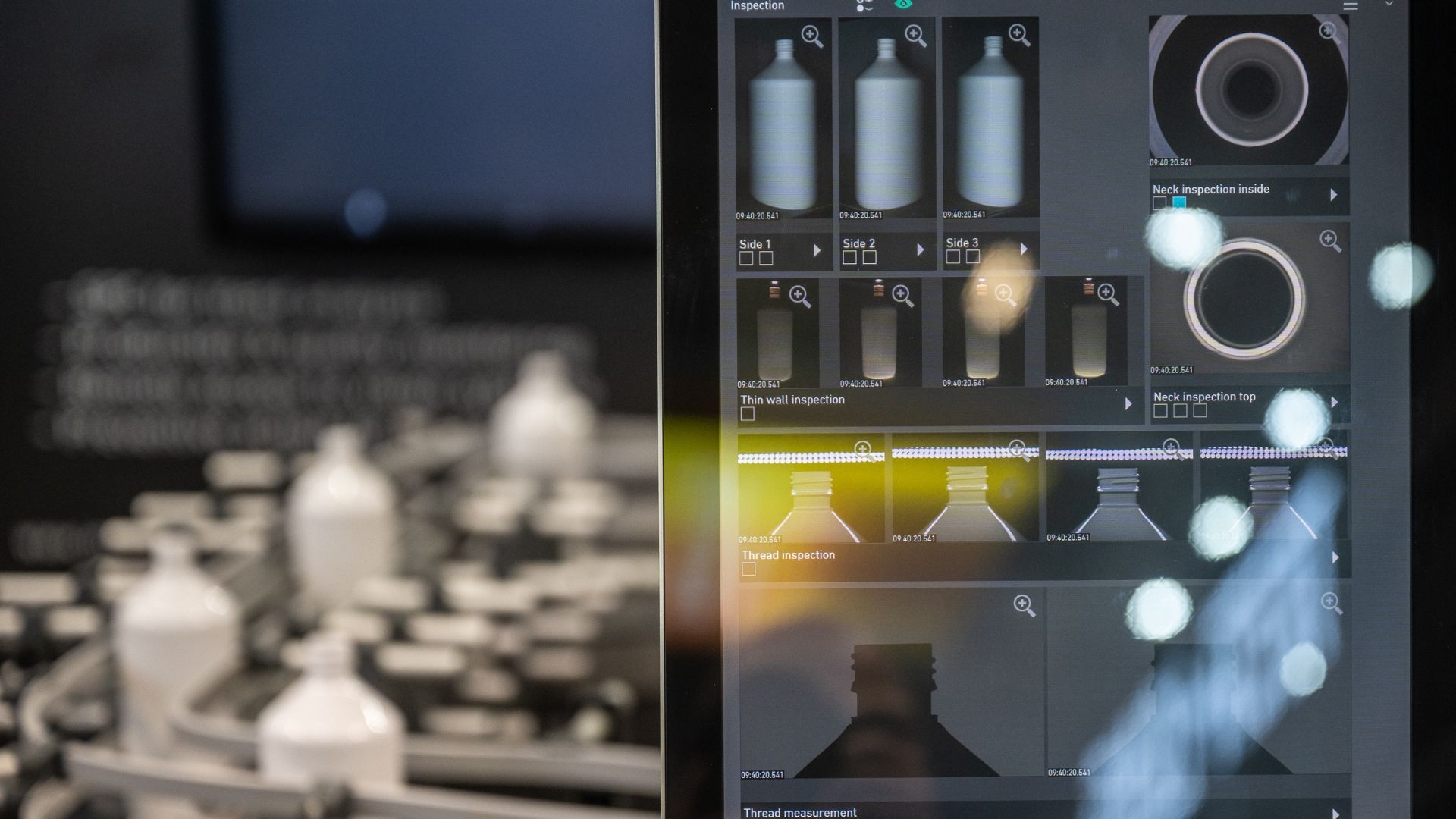
AI-based foreign object detection is a self-learning system. Greater sensitivity and thus accuracy is achieved through the constant use and evaluation of new data generated during operation. AI can be used to narrow down the product effect. All signals that lie outside the detection thresholds are recognised as foreign objects. This makes it much easier to detect plastics, cardboard and glass splinters. Expensive false rejects and the associated food waste are reduced.
Cobots (collaborative robots) are used in real working life. Humans and robots are colleagues who support each other. For example, glasses with a camera ‘see’ when an employee accidentally installs the wrong machine part, and the monitoring AI sends a signal indicating the correct part.
Pick-and-place tasks are a typical application, with bin picking (picking up unsorted parts) being a particularly challenging task. On a conveyor belt, packaging for mixed cartons or promotional goods is recognised by a camera and placed in a box or carton by a gripper arm according to the programmed specifications. Special requests from marketing, such as personalised goods with name engraving in a special combination, are also possible.
This requires training of neural networks (machine learning). Each image from the data set for supervised learning must be labelled in advance with a clear logical yes or no. Cameras and sensors that provide feedback on the positions of robots, packaging and products are integrated into the robot. The trained cobot can quickly recognise and process new formats because it does not need to be reprogrammed each time.
Other possible applications include production volume control in best-before date classes, sales forecasting and inventory planning, and volume forecasting by region. Information from the end of the supply chain is evaluated to optimise the utilisation of returned goods.
In-store logistics benefit from real-time inventory tracking when the POS (point of sale) adds up the output during scanning. Automatic reordering is carried out by algorithms that take into account specific influencing factors for individual product groups. These include public holidays and seasons, the weather forecast and the general purchasing power of the region.
In complaint analysis, online reviews and complaints are evaluated using natural language processing (NLP). Potential risks in the areas of packaging and logistics – including in-store – can be identified and remedied. The focus here is on food safety and customer satisfaction.
Many other applications are conceivable. The implementation of such systems is complex and cost-intensive. Undoubtedly existing risks were not discussed here.
In the lifestyle and health segment, beverages with various health aspects were a topic of discussion. These included raw materials with special ingredients, plant-based drinks, including those enriched with protein, and fermented beverages. Incidentally, AI also performs many tasks in the automation of fermentation for optimisation purposes. Growth in the areas of health, lifestyle and premium products continues unabated. Protein drinks, weight loss powders, sports nutrition, dietary supplements, non-alcoholic beverages and fermented beverages are in demand. When it comes to packaging, iBrains (born between 1997 and 2011) prefer glass, for example.
According to Christian Zacherl (Fraunhofer IVV), the decisive parameters for marketing and consumer acceptance are aroma, appearance and texture. From a scientific point of view, the nutritional values of ingredients such as vitamins, proteins and secondary plant substances, technological and functional properties such as foam formation, the stability of colloidally dissolved substances and aroma are important. These are many requirements that are not easy to meet.
For example, the term PDCAAS (Protein Digestibility Corrected Amino Acid Score) is important for proteins. This describes the quality of protein, i.e. the extent to which a raw material contains essential amino acids that are also easily digestible. Animal-based foods perform better in this respect. In the plant-based sector, pea, oat and chickpea protein are very good for human protein intake. This must therefore be taken into account when developing a protein-rich, plant-based soft drink for athletes. This requires protein hydrolysis with the addition of salt and a target pH of 4.5 to 5.0 in order to achieve optimum protein solubility. Lactic acid fermentation with suitable strains of lactobacilli and bifidobacteria complement the flavour. Consequently, every functional beverage with high health value must be developed for the specific target group.
Longevity was the topic of the presentation by political scientist Thomas Schulz. The term refers to longevity and primarily includes findings and advice on extending human lifespan. The aim is to slow down the ageing process and prevent age-related ailments. Above all, it is important to maintain or even improve quality of life into old age. Demographic studies show that it will be normal for today's five-year-olds to live to be 100 years old.
Mechanisms of ageing include DNA damage and mutation, a shortening of the protective caps on chromosomes (telomeres), the loss of proteostasis with the associated accumulation of damaged or non-functional proteins, a decline in autophagy (diseased cells are not broken down) and an increase in chronic inflammation.
Above all, it is an industry that expects high growth potential and increases in sales. In particular, genetic engineering, together with medical advances and the right diet and lifestyle, promise a long life with good mental and physical health. According to the latest research, the decisive factors are diet, sufficient exercise and stress management. With a suitable diet, it should be possible to enjoy more than an extra decade of good health.
The aspects mentioned above provide only a small insight into the topics and technologies discussed by exhibitors and visitors at drinktec 2025. But even this excerpt shows how dynamically the beverage and liquid food industry is developing and provides an outlook on the future topics of the industry.
Sources
Thomas Schulz: Project Longevity (Drinktec 2025)
Christian Zacherl: Plant proteins in drinks: challenges and chances in product development (Drinktec 2025)
Thomas Birus: AI in packaging technology (Süßmosterstammtisch 2025)
Siemens Foundation
Highlights
A post by Susanne Blüml
Read more
drinktec key topic
A post by Susanne Blüml
Read more
Data2Value
A post by Thomas Birus
Read more
Lifestyle & Health
A post by Susanne Blüml
Read more